
Blogs
What Is Car Care and Why It Matters
Jun
A truck that looks tired often tells you more than its paintwork. Road film left to build up, brake dust baked onto wheels, grime sitting in door shuts and grease around the engine bay usually point to a bigger issue – maintenance standards are slipping. That is why the question what is car care matters well beyond appearance. In professional settings, car care is part of vehicle presentation, asset protection and day-to-day operational discipline.
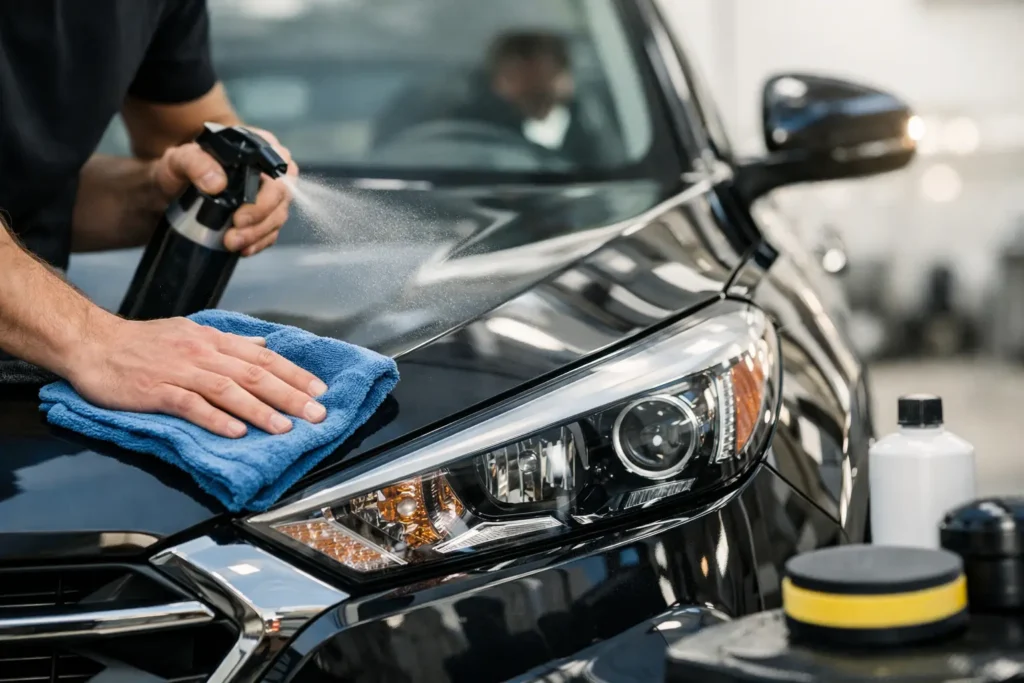
Car care is the ongoing process of cleaning, protecting and maintaining a vehicle’s interior, exterior and working surfaces so it stays presentable, performs as expected and holds its value. For a private owner, that might mean keeping a car clean and protected from weather. For a workshop, transport operator or dealership, it also means managing efficiency, safety, compliance and customer perception.
What is car care in practical terms?
At its core, car care is not one product or one wash. It is a system. That system covers regular exterior washing, wheel and tyre cleaning, glass cleaning, interior care, paint protection, degreasing where needed, and targeted treatment for problem areas such as bugs, tar, brake dust, oil and heavy road grime.
The right approach depends on the vehicle and how it is used. A family SUV parked under trees has different cleaning demands from a courier van, a dealership demonstrator or a linehaul truck running long distances. That is where many people get car care wrong. They treat every vehicle the same, use one general-purpose cleaner for everything, and either under-clean or damage surfaces over time.
Professional car care means matching the chemistry and the process to the task. A pH-balanced wash for painted panels, a dedicated wheel cleaner for baked-on contamination, a safe glass cleaner that does not smear, and interior products suited to vinyl, fabric, leather or hard plastics all serve different purposes. Good results come from using the right product at the right strength, with the right tool.
Car care is more than making a vehicle look good
Appearance is the obvious benefit, but it is not the only one. Dirt is not harmless. Road salt, traffic film, industrial fallout, bird droppings, tree sap and oily residue can all shorten the life of finishes if they are left in place. Interiors take similar punishment. Dust, body oils, spills and UV exposure slowly wear down surfaces, especially in vehicles that spend long hours on the road.
For commercial operators, presentation affects trust. A clean service vehicle suggests a professional operation. A clean dealership car is easier to sell. A tidy fleet reflects better on the business when vehicles are moving through customer sites, depots and public roads. None of that is cosmetic fluff. It is part of how a business is judged.
There is also a practical side. Clean glass improves visibility. Clean lights perform better. Removing grease from work areas reduces mess transfer into cabins. Keeping mud and grime off steps, jambs and access points can make vehicles easier and safer to use. In heavy-use environments, car care supports the vehicle’s working life rather than distracting from it.
The main parts of a proper car care routine
Exterior washing is where most routines start. This removes loose dirt, road film and environmental fallout before they can bond more aggressively to the surface. A proper wash should clean effectively without stripping protection or scratching paint. On high-use vehicles, frequency matters as much as product choice. Letting contamination sit too long usually means more aggressive cleaning later.
Wheel and tyre care is its own category because wheels collect some of the harshest contamination on the vehicle. Brake dust, road grime and iron fallout can become stubborn quickly, especially on vehicles doing regular stop-start work. Using a dedicated wheel cleaner is generally safer and more effective than relying on a standard wash detergent.
Glass care sounds simple, but poor product choice shows up fast. Smearing, haze and residue are common problems, especially on windscreens and commercial vehicles with high road exposure. Clean glass is about visibility first and appearance second.
Interior care covers much more than a quick vacuum. Dashboards, consoles, door trims, seats, carpets and mats all need different handling depending on the material and the level of soiling. In work vehicles, interiors often carry dust, grease, food residue and odours that need more than a surface wipe. The goal is to clean without leaving slippery finishes, strong residue or unnecessary shine.
Protection is the step people often skip. Waxes, sealants, dressings and protectants help surfaces resist water, UV exposure and re-soiling. That can reduce cleaning time later, but only if the protection matches the environment. A show-car finish and a practical fleet finish are not always the same thing.
What is car care for fleets, workshops and trade users?
For professional buyers, car care is about consistency. It is not enough for one vehicle to come up well once. The process needs to work across multiple vehicles, different operators and changing conditions. That usually means choosing products that are easy to dilute correctly, reliable in performance and supported by clear technical guidance.
A fleet manager may need a wash process that handles road grime efficiently without slowing the team down. A detailing business may need stronger correction and finishing options. A workshop may care most about degreasing, hand cleaning, brake cleaning and keeping customer vehicles presentable after service. The products differ, but the principle stays the same – use fit-for-purpose chemistry that delivers a repeatable result.
This is also where local conditions matter. Vehicles operating in coastal air, rural mud, city traffic or long-distance freight routes all collect different contamination. Heat, UV and rainfall patterns affect both cleaning frequency and product performance. Professional car care works best when it is built around real operating conditions, not generic assumptions.
The difference between car washing and car care
A wash removes visible dirt. Car care goes further. It looks at what is sitting on the surface, what that contamination is doing over time, and what the vehicle needs after cleaning.
For example, a ute might come out of the wash bay looking clean, but still have bonded contaminants on the paint, dressing sling on the guards, residue on the glass and faded plastics that need protection. A truck might be washed regularly but still suffer from neglected aluminium, stained curtains or greasy access points. Washing is one task within car care. It is not the full job.
That distinction matters because many problems are caused by partial cleaning. If a vehicle is rinsed and soaped but not properly dried, residue and spotting follow. If tyres are dressed without being cleaned first, the finish rarely lasts. If interiors are deodorised without treating the source of the smell, the issue returns quickly.
Common mistakes that reduce results
The first is using overly aggressive products where they are not needed. Strong degreasers and harsh cleaners have their place, especially in workshops and heavy-duty applications, but they can stain, strip or dry out delicate surfaces if used carelessly.
The second is using weak or unsuitable products for heavy contamination. When chemistry is too mild for the job, operators compensate with more scrubbing, more time and more frustration. That can be just as costly as using the wrong strong product.
The third is poor process. Dirty wash tools, incorrect dilution, hot panels, direct sun and rushed rinsing all affect the finish. Even quality products underperform when the method is off.
The final mistake is thinking car care is only for prestige vehicles. In reality, work utes, vans, trucks and service fleets often benefit the most because they face the hardest conditions and the highest visibility.
Building a car care routine that actually works
A workable routine should fit the vehicle’s use, not fight against it. High-kilometre commercial vehicles need fast, dependable cleaning cycles. Owner-driven vehicles may allow more detailed treatment. The key is to decide what needs to happen daily, weekly and periodically.
Daily or frequent tasks may include exterior washing, glass cleaning and rubbish removal from the cabin. Weekly care may cover wheels, tyres, dash cleaning and spot treatment for bugs or grease. Periodic work might include polishing, waxing, carpet cleaning, engine bay cleaning or odour treatment.
For businesses managing multiple vehicles, standardising products and procedures usually improves both speed and results. It also makes training easier and reduces waste from using too many overlapping cleaners. That is one reason professional suppliers remain valuable – they help buyers choose a system, not just a shelf full of bottles.
SuperShine has worked in this space since 1992, and the pattern is consistent: the best outcomes come from simple, reliable processes backed by the right products and practical support.
Why car care still matters when vehicles are built tough
Modern vehicles are durable, but durable does not mean maintenance-free. Paint still oxidises. Interiors still fade. Grease still spreads. Brake dust still etches. Commercial vehicles especially are expected to keep performing while representing the business at the same time.
Good car care protects that investment without adding unnecessary complexity. It keeps vehicles easier to work on, easier to present and easier to keep in serviceable condition. Sometimes that means a basic wash program. Sometimes it means a more specialised regime with wheel acids, solvents, dressings, carpet cleaners and heavy-duty degreasers. It depends on the vehicle, the load, the roads and the standard you need to maintain.
If you are asking what is car care, the shortest answer is this: it is the practical work that keeps a vehicle clean, protected and fit for purpose. Do it properly, and the vehicle not only looks better – it works better in the real world.
