
Blogs
Car Wash Chemicals Hamilton for Professional Fleets
Jul
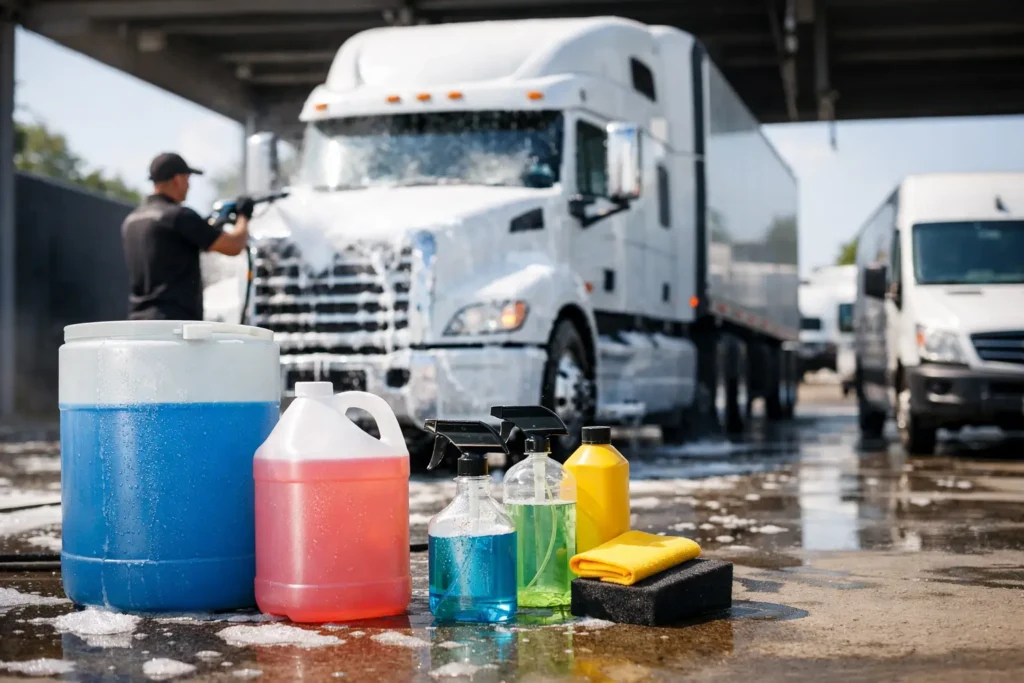
A vehicle arriving clean is one thing. Keeping a workshop fleet, dealership yard or transport operation consistently clean through wet weather, road film and tight turnaround times is another. The right car wash chemicals Hamilton operators use need to remove the day’s contamination without wasting labour, damaging surfaces or creating unnecessary rework.
For professional users, chemical selection is not about finding one product that claims to do everything. It is about building a practical system: the right wash chemistry for the soil load, dedicated products for difficult areas, correct dilution, and equipment that applies each product properly. That approach protects vehicle presentation while helping teams work efficiently across cars, utes, vans, trucks and heavy transport.
Why chemical choice affects more than appearance
Hamilton vehicles can encounter a demanding mix of contaminants. Rural and construction traffic brings mud and dust into yards and wheel arches. Daily commuting leaves traffic film, brake dust and oily residue. Commercial vehicles may also pick up diesel soot, grease, insects, food spills and grime from frequent loading activity.
A general wash that is too mild can leave a dull film behind, prompting staff to wash the same vehicle twice or scrub harder than necessary. A product that is too aggressive can strip existing protection, mark sensitive trim, dull polished surfaces or create avoidable risks around aluminium and painted finishes. The best result comes from matching chemical strength to the task, rather than reaching for the strongest option every time.
There is also an operational reason to choose carefully. Inconsistent product use makes it difficult to train staff, control consumption and achieve the same finish across multiple sites or shifts. A defined product range gives operators a repeatable process and makes stock control far simpler.
Car wash chemicals Hamilton teams should keep on hand
A professional wash bay does not need dozens of overlapping products. It does need the core categories that deal with common vehicle soils safely and consistently.
General washes for routine exterior work
A quality vehicle wash is the foundation of most cleaning programmes. It should provide reliable soil removal and lubrication during hand washing, while rinsing freely to reduce residue. For fleet work, concentrated products are particularly useful because dilution can be adjusted for light daily dust, normal road film or more heavily soiled vehicles.
Foaming products can improve coverage and dwell time, particularly when applied through suitable equipment. Foam alone is not proof of cleaning performance, however. The chemical still needs to break down contamination effectively, and the vehicle should be rinsed thoroughly before any contact wash. This helps remove loose grit that could otherwise be dragged across paintwork.
Traffic film removers and truck washes
Heavy vehicles, couriers and high-kilometre fleet cars often need more than a standard shampoo. Traffic film removers and purpose-made truck washes are designed to cut through the grey, oily film that builds up on panels, trailers, chassis areas and cab exteriors.
The trade-off is that stronger chemistry requires more discipline. Always follow the recommended dilution, avoid allowing product to dry on the surface, and confirm that it is appropriate for the materials being cleaned. Polished aluminium, bare metal, decals, aftermarket coatings and older paint may need a gentler approach. Test a small, inconspicuous area when the surface condition is uncertain.
Degreasers for workshops and engine areas
Degreasers earn their place where oil, lubricants and workshop grime are present. They are useful for engine bays, door jambs, fuel areas, underbody work and machinery, but should be applied with control rather than treated as an all-purpose wash.
Protect sensitive electrical components, use only as much product as needed and manage run-off responsibly. On modern vehicles, a careful application with brushes and low-pressure rinsing is usually more sensible than saturating the engine bay. The goal is to remove grime while maintaining the condition and operability of the vehicle.
Wheel and brake dust cleaners
Wheels carry some of the most stubborn contamination on any vehicle. Brake dust, road tar and ingrained dirt can make an otherwise clean fleet look neglected. A dedicated wheel cleaner can save considerable brushing time, but its suitability depends on the wheel finish.
Painted, powder-coated, chrome, polished alloy and uncoated metal surfaces do not all respond the same way. Use a product designed for the wheel type, work one wheel at a time where needed, and never let cleaner dry on the surface. Separate wheel brushes and wash tools from paintwork tools to avoid transferring abrasive brake dust onto body panels.
Interior, glass and finishing chemicals
The exterior may make the first impression, but clean glass and a well-presented cabin matter just as much for drivers, customers and resale preparation. Glass cleaner should cut through fingerprints, interior haze and road film without leaving smears. Interior cleaners need to remove everyday soils from vinyl, plastic and fabric without making surfaces excessively glossy or slippery.
Dressings and protectants are finishing products, not substitutes for cleaning. Applied sparingly to clean surfaces, they can improve appearance and help maintain trim. Over-application creates streaks, attracts dust and can make steering wheels, pedals or floor mats unsafe. For commercial vehicles, a clean, low-sheen finish is often the most practical standard.
Build the process around soil, surface and frequency
The same wash programme will not suit every operation. A dealership preparing sale vehicles has different requirements from a contractor cleaning mud-covered utes, while a transport fleet needs a process that keeps vehicles presentable without holding them out of service for hours.
Start by looking at what is actually on the vehicle. Light dust and fresh road film normally call for a routine wash. Grease, soot and ingrained grime need targeted pre-treatment. Wheels and lower panels may require separate attention, while interiors should be assessed for fabric stains, odours and hard-surface residue.
Then consider the surface. Paint, glass, plastic, rubber, polished metal, vinyl wraps and coated wheels all have different tolerances. Using dedicated products may appear more involved than relying on one strong cleaner, but it reduces the risk of damage and gives staff clearer instructions.
Finally, factor in wash frequency. Vehicles cleaned weekly can often be maintained with milder chemistry and good technique. A truck returning after extended highway work or a ute coming off a muddy site may require a stronger staged clean. The aim is not maximum chemical strength. It is the lowest effective strength that delivers the required finish.
Dilution control is where efficiency is won or lost
Concentrated chemicals offer flexibility, but only when dilution is controlled. Guessing by eye leads to inconsistent results, high product use and avoidable surface issues. A properly labelled dilution station, measuring equipment or proportioning system gives every staff member the same starting point.
Keep product labels legible and containers clearly identified. Staff should know the intended application, dilution rate, contact time, required protective equipment and rinsing procedure before using any chemical. Safety data sheets should be accessible in the workplace, especially where chemicals are decanted or used in volume.
Water quality can also influence the finish. Hard water can contribute to spotting, particularly on dark paint and glass. Where spotting is a regular issue, improve rinsing practices, avoid washing in direct heat where possible, and dry promptly with clean, suitable towels or drying equipment. Chemical performance and wash technique work together.
Equipment and accessories protect the result
Even the right chemical can underperform when paired with poor tools. Dirty wash mitts, worn brushes and contaminated drying cloths cause scratches and streaking that no finishing product can hide. Use dedicated accessories for wheels, engine areas and paintwork, then clean and store them properly after use.
Pressure washers, foam equipment and dosing systems should be maintained and set up for the products being used. Excess pressure too close to trims, decals, seals or electrical areas can create problems, while poor coverage wastes chemical and time. A consistent wash bay setup makes training easier and helps operators maintain professional standards across every vehicle.
Choosing a supplier for ongoing vehicle care
For businesses buying car wash chemicals in Hamilton, dependable supply and practical guidance matter as much as the label on the container. A supplier should be able to support routine passenger vehicle cleaning, workshop needs and heavy-duty fleet requirements from a coherent range, rather than leaving teams to piece together mismatched products.
SuperShine has supplied professional vehicle-care products since 1992, with products and support suited to the practical demands of automotive and commercial operators. For regular users, the value is in establishing a repeatable chemical programme that staff can apply safely, vehicles can benefit from, and managers can rely on across ongoing cleaning work.
A clean vehicle is a visible sign of standards, but the process behind it should be just as professional. Select chemicals for the contamination in front of you, use them at the correct dilution, and give each surface the treatment it needs. That is how a wash bay stays efficient while every vehicle leaves ready to represent the business properly.
