
Blogs
Truck Cleaning Products Wellington Fleets Rely On
Aug
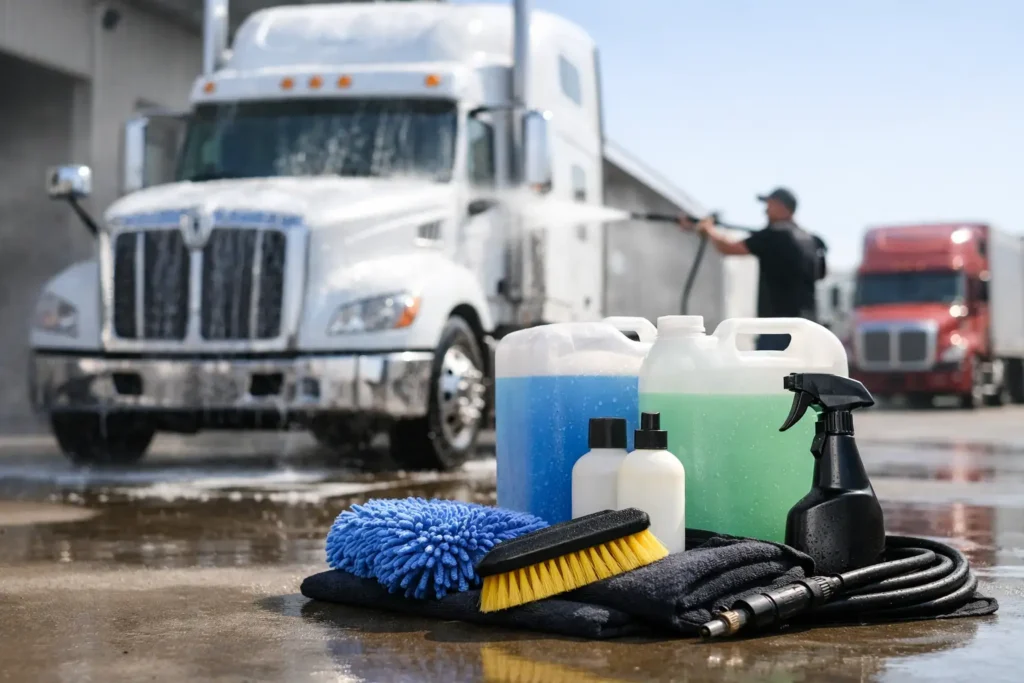
A truck that arrives at a depot coated in road film, brake dust and diesel residue does more than look neglected. Build-up hides defects, accelerates corrosion around vulnerable areas and makes a poor impression on customers. Choosing the right truck cleaning products Wellington operators can depend on helps keep fleet presentation, driver comfort and cleaning labour under control.
Wellington trucks work in conditions that are hard on surfaces. Coastal salt air, wet roads, hill-country grime and stop-start urban running all leave their mark. The practical answer is not one aggressive cleaner for every job. It is a reliable range of purpose-made chemicals and tools, used at the right dilution and in the right order.
Start with the truck’s operating conditions
A linehaul unit travelling between depots needs a different wash routine from a tipper working around aggregate, or a refrigerated vehicle making frequent city deliveries. The soil type, washing frequency, water quality and finish of the vehicle all affect the best product choice.
For regular fleet washing, a professional truck wash should remove road film and general grime without unnecessarily stripping protective finishes, dulling aluminium or drying out exterior trim. This is particularly important where vehicles are cleaned several times a week. A product that appears strong but leaves surfaces looking flat after repeated use is not helping the fleet in the long run.
Heavier soils need a targeted approach. Degreaser is for oily chassis areas, engine bays and workshop contamination. A dedicated wheel cleaner is for brake dust and traffic film. Insect residue, diesel splash and tar may need their own treatment. Applying one high-strength chemical across the whole truck wastes product and raises the risk of surface damage.
Choose chemistry that suits your wash method
Truck cleaning products need to work with the equipment already in use. A wash bay using pressure equipment, foam application and a two-person team has different requirements from a small workshop cleaning vehicles by hand.
Concentrated products can be efficient for busy operators when dilution is measured accurately. They reduce storage volume and give staff a consistent working mix. However, concentration is only an advantage when staff have clear mixing instructions, suitable dispensing equipment and access to safety data sheets. Guesswork leads to inconsistent results, excess chemical use and avoidable risk.
For mobile detailers and smaller fleets, ready-to-use sprays can be useful for glass, interiors, spot cleaning and cab touch-ups. They save preparation time, though they are not always the most practical option for high-volume exterior washing. The right balance depends on the task and the number of vehicles moving through the site each week.
Core truck cleaning products Wellington operations need
A capable cleaning programme usually begins with an exterior wash, then adds specialist products for the areas that collect stubborn contamination. The goal is to give staff the right product for each surface without filling the wash bay with unnecessary lines.
Exterior wash and traffic film removal
The main wash product carries most of the workload. It should lift road grime from painted panels, cabs, trailers and bodywork while rinsing freely. Good rinsing matters because detergent residue can leave streaks, especially on dark paint and large flat trailer sides.
Pre-soaking helps when a truck has returned from wet roads or long-distance work. Allow the product time to loosen grime, but do not let chemicals dry on the surface. Work from lower contamination areas towards the dirtiest sections where practical, and rinse thoroughly before moving to the next stage.
Brushes and wash mitts also matter. A stiff brush may have a place on tyres and underbody areas, but it can mark painted finishes and polished surfaces. Use equipment that matches the surface, keep it clean between jobs and replace worn tools before they become a source of scratches.
Degreasers for workshop and underbody jobs
Oil, grease and diesel residue are a safety issue as well as a presentation issue. Degreasers are suited to engine bays, chassis components, workshop floors and heavily soiled machinery areas. They are not a substitute for a general wash chemical.
The trade-off is strength. A powerful degreaser can save time on accumulated grime, but it needs careful application around sensitive electrical components, painted finishes and aluminium. Follow the product directions, control runoff and avoid spraying blindly into an engine bay. For routine maintenance, lighter cleaning at regular intervals is usually safer and faster than waiting for contamination to become baked on.
Wheels, tyres and brake dust
Wheels often determine whether a truck looks properly cleaned. Brake dust, road film and mud sit in difficult areas around rims, nuts and guards. A dedicated wheel cleaner, used with appropriate brushes, can reduce the effort needed without forcing staff to scrub with unsuitable abrasives.
Always confirm compatibility before using wheel chemicals on polished alloy, aluminium, coated wheels or specialty finishes. The same applies to wheel dressings. A tidy tyre finish can improve presentation, but it should be applied carefully and never leave product on braking surfaces or create slippery work areas.
Glass, cab interiors and odour control
Drivers notice the cab before anyone sees the trailer. Clear glass reduces glare and supports safe driving, while a clean dash, vinyl, carpet and upholstery improve the working environment. Use a streak-free glass cleaner for windscreens and mirrors, then select interior cleaners that suit the material rather than using exterior wash products inside the cab.
For fleet vehicles, deodorisers should address the source of the smell where possible. Damp mats, food waste, smoking residue or spills need to be cleaned first. A fragrance may improve the immediate result, but it will not fix contamination trapped in carpet or upholstery.
Build a wash process that staff can repeat
The best chemicals cannot compensate for a chaotic process. A simple, repeatable wash sequence improves quality and makes it easier to train new staff.
Start by checking the vehicle for hot surfaces, damaged panels, open compartments and sensitive areas. Remove loose mud where required, apply the appropriate pre-wash or degreaser, then wash and rinse the exterior. Finish with wheels, glass and cab details. Keeping the sequence consistent reduces missed areas and prevents dirty tools being used on clean paintwork.
For larger fleets, clear product labelling and designated wash stations make a genuine difference. Staff should know which product is for general washing, which is for grease, and which is safe for interiors or glass. It also helps to record dilution rates, application times and restocking levels. These are ordinary controls, but they prevent downtime when a wash bay runs out of a key chemical mid-shift.
Safety, runoff and surface care
Commercial vehicle cleaning should protect people and assets as well as deliver a clean finish. Provide suitable personal protective equipment, ensure staff can access product safety information and train them on dilution, application and first-aid requirements. Never assume a chemical is harmless because it is commonly used in a wash bay.
Runoff needs attention too. Wellington’s wet weather can quickly carry wash water and contaminants beyond the cleaning area. Use the site’s approved drainage arrangements, avoid washing where contaminated water can enter stormwater, and follow local site requirements for chemical handling and disposal.
Surface care is equally practical. Do not apply chemicals in direct sun if they are likely to dry quickly. Test unfamiliar products on a small, inconspicuous area, especially on older paint, polished metals and aftermarket coatings. A few minutes of caution is cheaper than repairing a damaged finish.
Choose a supplier that understands fleet work
Buying truck cleaning products is not simply about selecting bottles from a shelf. Fleet operators need dependable supply, advice on matching chemicals to tasks, access to accessories and clear technical information. This becomes more valuable when the fleet is spread across sites or cleaning demand changes with the season.
SuperShine supplies professional vehicle-care products for commercial operators who need practical performance across washing, degreasing, wheel care, interiors and workshop cleaning. A complete range makes it easier to standardise products and processes rather than relying on a mix of unproven alternatives.
The most effective wash programme is the one your team can carry out properly, shift after shift. Start with the contamination your trucks actually collect, choose products that protect the surfaces you are responsible for, and give staff a clear process they can follow with confidence.
